Fixed castors
245 products, wheel diameter 75–350 mm, load capacity 60–1100 kg per castor
-
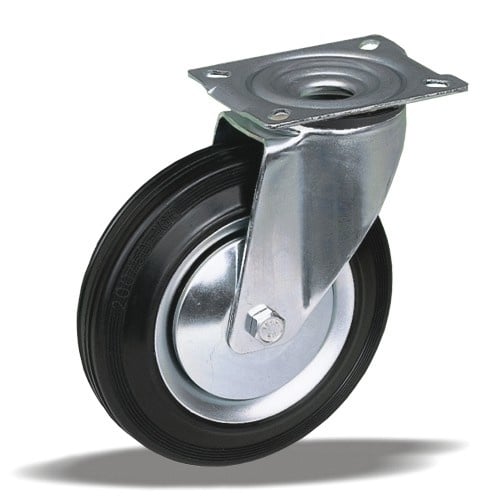
ID 65152
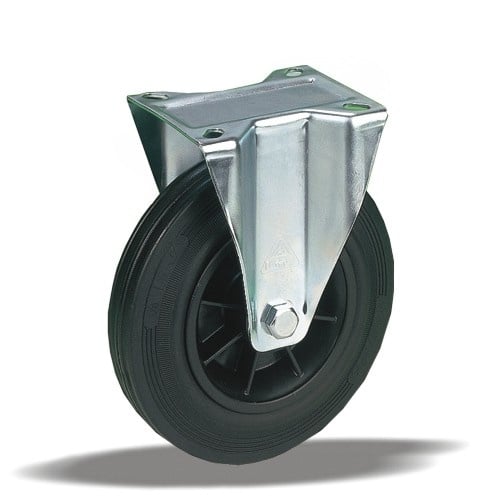 Fixed castor 200 mm, black rubber, plate 135x110 mm, 230 kg
- Top plate 135x110 mm
- Total height: 232 mm
- Bearing: plain bearing
-
ID 22830
 Heavy duty fixed castor 200 mm, polyamide, plate 140x110 mm, 500 kg
- Top plate 140 x 110 mm
- Total height: 240 mm
- Bearing: ball bearing
-
ID 41705
 Stainless steel fixed castor 200 mm, polyurethane, 300 kg
- Top plate 135 x 110 mm
- Total height: 232 mm
- Bearing: roller bearing
-
ID 55372
 Heavy duty fixed castor 200 mm, black rubber, plate 140x118 mm, 500 kg
- Top plate 140 x 118 mm
- Total height: 245 mm
- Bearing: ball bearing
-
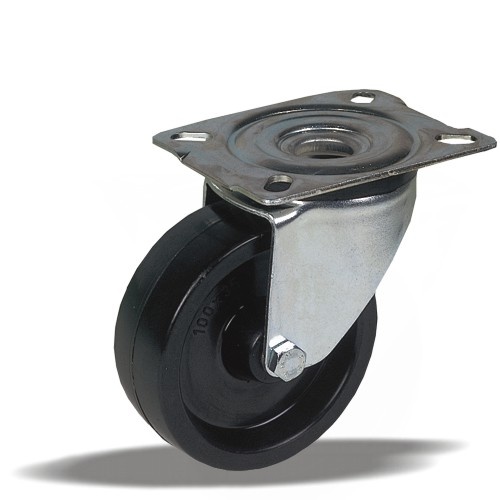
ID 31524
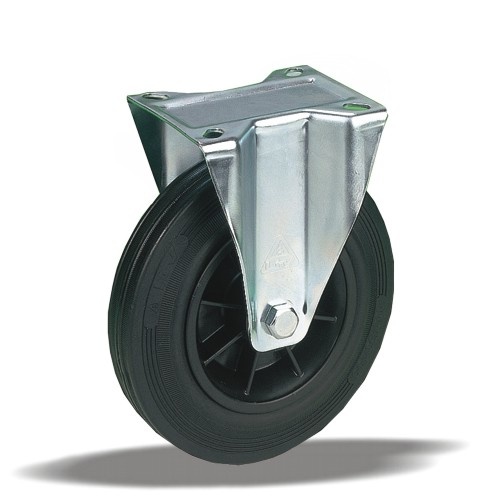 Fixed transport castor 200 mm, black rubber, plate 135x110 mm, 230 kg
- Top plate 135 x 110 mm
- Total height: 232 mm
- Bearing: roller bearing
-
ID 62403
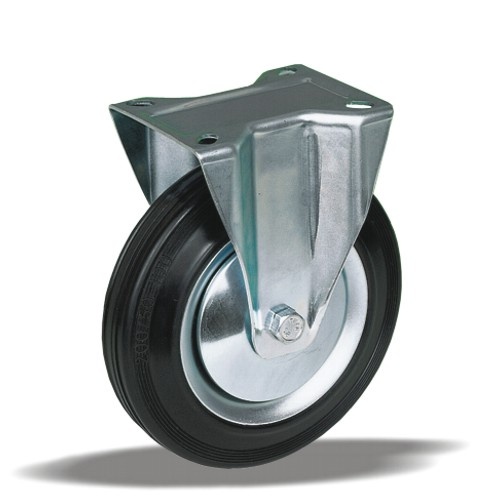 Fixed transport castor 200 mm, black rubber, plate 135x110 mm, 230 kg
- Top plate 135 x 110 mm
- Total height: 232 mm
- Bearing: plain bearing
-
ID 67003
 Fixed castor 200 mm, polyamide, plate 135x110 mm, 300 kg
- Top plate 135 x 110 mm
- Total height: 232 mm
- Bearing: roller bearing
-
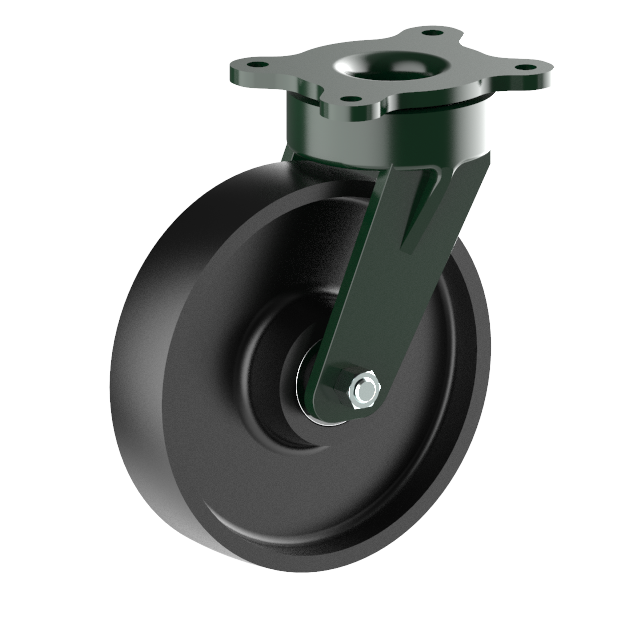
ID 56209
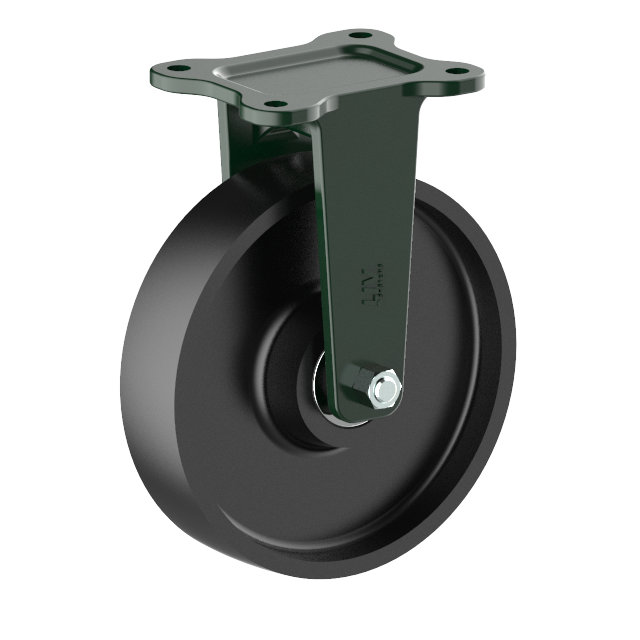 Heavy duty fixed castor 200 mm, cast iron, plate 135x110 mm, 1100 kg
- Top plate 135 x 110 mm
- Total height: 245 mm
- Bearing: ball bearing
-
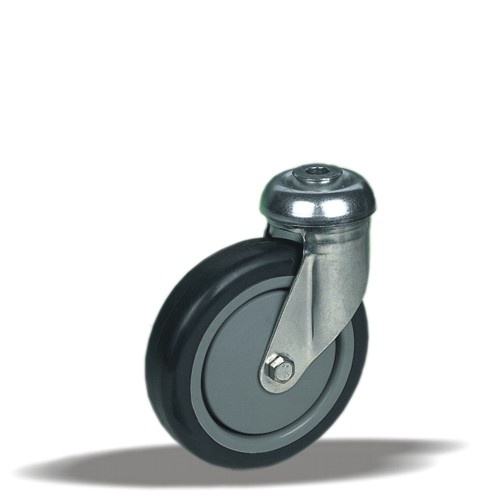
ID 42164
Stainless steel fixed castor 200 mm, polyurethane, 300 kg
- Top plate 135 x 110 mm
- Total height: 232 mm
- Bearing: ball bearing
-
ID 41644
 Stainless steel fixed castor 200 mm, polyamide, plain bearing, 300 kg
- Top plate 135 x 110 mm
- Total height: 232 mm
- Bearing: plain bearing
-
ID 41854
 Stainless steel fixed castor 200 mm, grey rubber, 230 kg
- Top plate 135 x 110 mm
- Total height: 232 mm
- Bearing: roller bearing
-
ID 56586
 Heavy duty fixed castor 200 mm, polyamide, plate 140x110 mm, 500 kg
- Top plate 140 x 110 mm
- Total height: 240 mm
- Bearing: ball bearing
-
ID 40493
Fixed castor 200 mm, polyurethane, plate 135x110 mm, 300 kg
- Top plate 135 x 110 mm
- Total height: 232 mm
- Bearing: ball bearing
-
ID 67008
Fixed castor 200 mm, polypropylene, plate 135x110 mm, 250 kg
- Top plate 135 x 110 mm
- Total height: 232 mm
- Bearing: roller bearing
-
ID 55369
Fixed transport castor 200 mm, black rubber, plate 135x110 mm, 230 kg
- Top plate 135 x 110 mm
- Total height: 232 mm
- Bearing: roller bearing
-
ID 32703
 Fixed castor 200 mm, pneumatic tyre, plate 135x110 mm, 60 kg
- Top plate 135 x 110 mm
- Total height: 232 mm
- Bearing: plain bearing
-
ID 42355
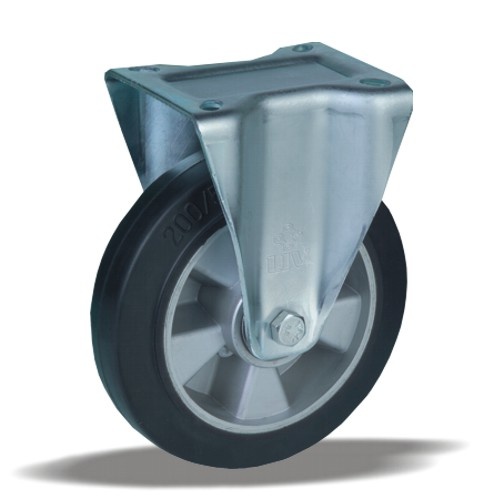 Heavy duty fixed castor 200 mm, black rubber, plate 140x110 mm, 500 kg
- Top plate 140 x 110 mm
- Total height: 240 mm
- Bearing: ball bearing
-
ID 42634
 Heavy duty fixed castor 200 mm, polyurethane, plate 140x110 mm, 500 kg
- Top plate 140 x 110 mm
- Total height: 240 mm
- Bearing: plain bearing
-
ID 39905
 Fixed castor 200 mm, elastic rubber, plate 135x110 mm, 300 kg
- Top plate 135 x 110 mm
- Total height: 232 mm
- Bearing: roller bearing
-
ID 67023
Fixed castor 200 mm, polypropylene, plate 135x110 mm, 250 kg
- Top plate 135 x 110 mm
- Total height: 232 mm
- Bearing: plain bearing
-
ID 39663
 Fixed castor 200 mm, grey rubber, plate 135x110 mm, 230 kg
- Top plate 135 x 110 mm
- Total height: 232 mm
- Bearing: plain bearing
-
ID 42625
Heavy duty fixed castor 200 mm, polyurethane, plate 140x110 mm, 500 kg
- Top plate 140 x 110 mm
- Total height: 240 mm
- Bearing: ball bearing
-
ID 41775
Stainless steel fixed castor 200 mm, elastic rubber, 300 kg
- Top plate 135 x 110 mm
- Total height: 232 mm
- Bearing: plain bearing
-
ID 41643
Stainless steel fixed castor 200 mm, polyamide, roller bearing, 300 kg
- Top plate 135 x 110 mm
- Total height: 232 mm
- Bearing: roller bearing
What fixed castors are for
A fixed castor, also called a rigid castor, has a fork that does not swivel, so it rolls only forwards and backwards. On its own it cannot steer a trolley. Together with swivel castors it keeps the trolley on track, so it runs straight on long runs without constant correction. We press the forks in Postojna from sheet steel and zinc plate them without chromium(VI).
Laying out fixed and swivel castors
| Layout | Running | Use |
|---|---|---|
| 2 swivel castors at the handle end, 2 fixed castors at the far end | runs straight, steers on the swivel castors | trolleys, platform trucks, long runs |
| 4 swivel castors | easy to manoeuvre, wanders on straight runs | tight spaces, equipment |
| fixed castors only | one line only | frames and equipment on a rail or along a wall |
With two fixed castors, the trolley is pushed from the swivel castor end. The brakes go there too, where the foot reaches the pedal.
Matching fixed and swivel castors
On one trolley, fixed and swivel castors should share the same wheel: same diameter, same tread, same load capacity. Check the overall height in the specifications as well. If the heights differ, the trolley rocks and one castor carries more than its share. A top plate with the same hole pattern means one drilling pattern for both castors.
Wheel, bearing and load capacity
Choose wheel and bearing as for the swivel castor. Elastic rubber and polyurethane protect smooth factory floors; polyamide and cast iron carry more but are hard. A ball bearing pays off when the trolley is pushed often and far. The catalogue load capacity is per castor at 4 km/h; with four castors, divide the weight of trolley plus load by three. For high loads, the heavy duty range includes fixed castors.
Fixed castors with brake or central brake
Usually the braked swivel castors hold the trolley. Where that is not enough, for example on equipment without swivel castors, we make fixed castors with a brake and with a central brake as special versions. Ask us with the load, wheel diameter and fitting. If you are replacing a castor, send us the drawing or the dimensions and we confirm the match.
Frequently asked questions
What is a fixed castor?
A castor with a rigid fork that does not swivel, also called a rigid castor. It rolls only straight and keeps a trolley on track.
Where do fixed castors go on a trolley?
Usually two fixed castors at the end away from the handle and two swivel castors at the handle end. The trolley then runs straight and still turns.
Are fixed castors available with a brake?
Yes, as special versions with a brake and with a central brake. Ask us with the load, wheel diameter and fitting.
What should I check when combining fixed and swivel castors?
Both should have the same wheel, the same overall height and the same top plate hole pattern. Otherwise the trolley rocks and one castor carries more than intended.
What load capacity do I need per fixed castor?
Divide the weight of the trolley plus load by three when four castors are fitted. The catalogue figure is per castor at 4 km/h.